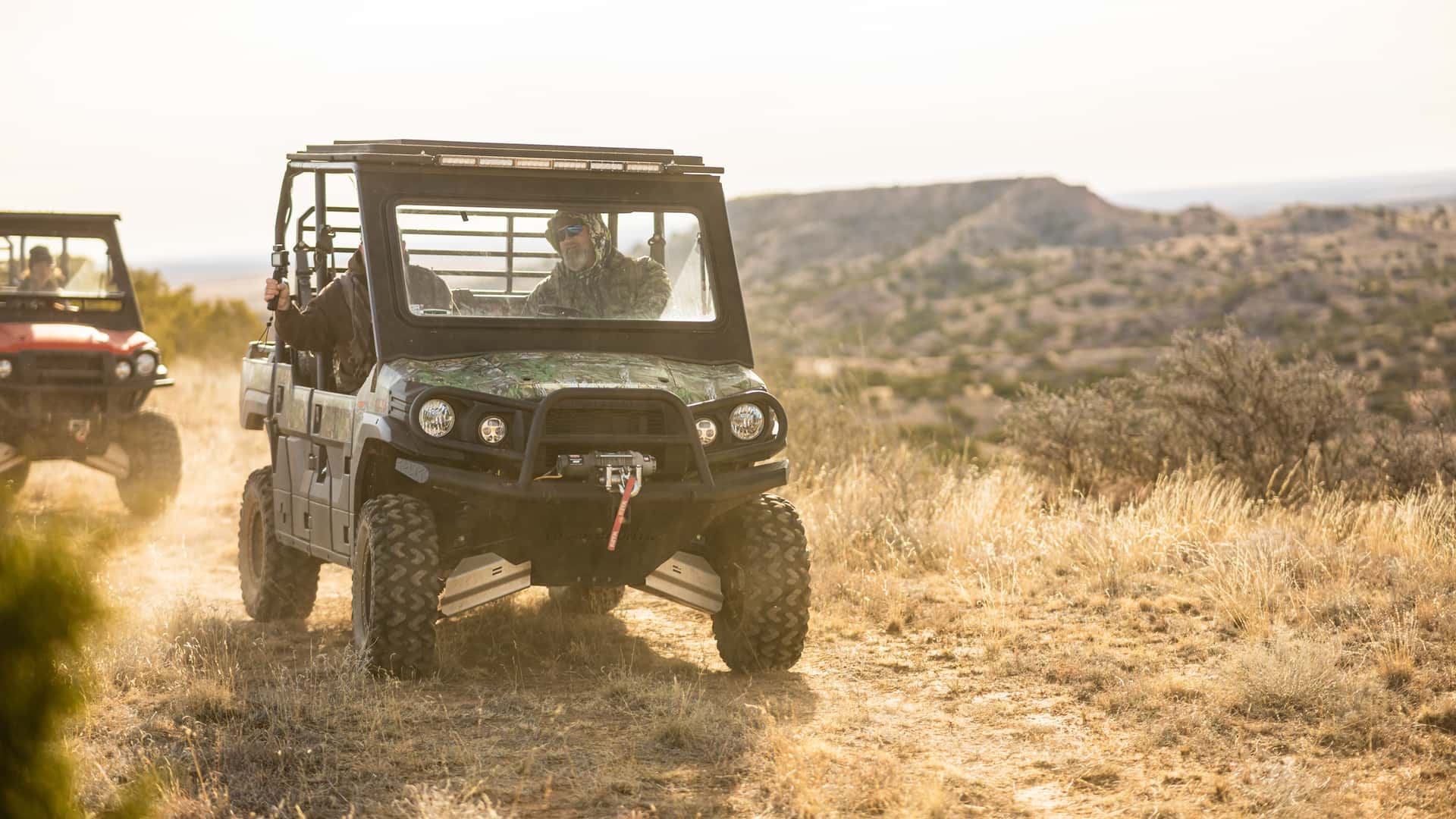
This move heads in the right direction towards greater diversity in transportation choices, and it's also a victory for those of us who love power sports.
If you've ever spent time on a farm, in the forest, or simply driven through a large countryside area, you likely already understand the practical benefits of it.
UTVs
can be. These machines aren’t just for kicking up dust on the trails—they can haul gear, tow loads, carry passengers, and squeeze into places where a full-size pickup would struggle.
Sometimes, they're even more adaptable than trucks, particularly considering their agility and reduced total owning costs. It's not surprising then that many folks are wondering: why aren't we able to use these vehicles on public roads?
Sure, in certain states, you more or less can do that now.
A handful of US states allow street-legal use of UTVs and other special-purpose vehicles (SPVs), usually with restrictions like limited road types, speed caps, or special equipment requirements. But now, Kentucky is throwing its hat into the ring with
Senate Bill 63
A new regulation coming into force on June 27 will grant local authorities the power to permit SPVs on public streets. This development doesn’t represent comprehensive statewide approval, yet it marks a significant move towards adopting varied, community-specific transportation options.
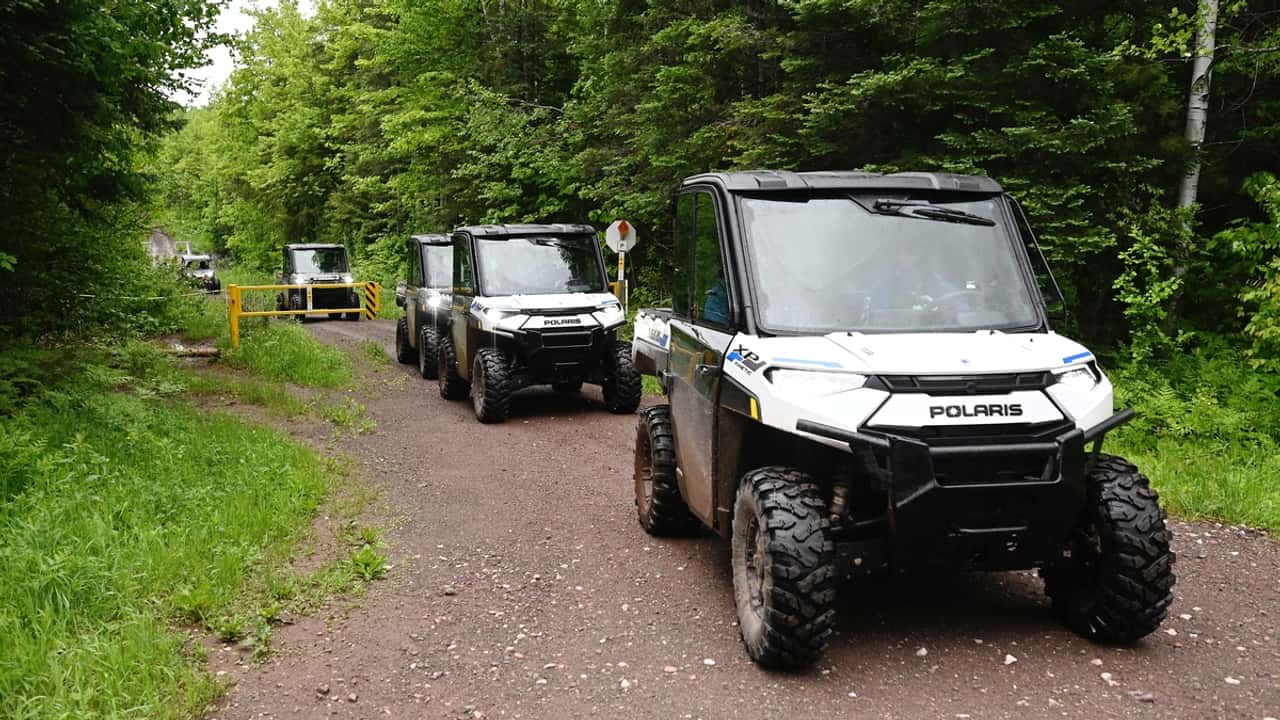
The legislation does not classify all roads as open for use without restriction; instead, it delegates this authority to counties and municipalities. This implies that your nearby community could decide to permit UTV usage on peaceful rural streets with few limitations, or they may enforce more stringent regulations considering factors like traffic volume and safety issues.
Riders will need to register their vehicles for $10 a year and pay a $25 inspection fee before getting a title. These vehicles also need to meet basic road safety standards, including headlights, turn signals, mirrors, horns, and even a speedometer, among other things.
What sucks, though, is that they’ll still be banned from interstates and high-speed highways, and can’t travel more than 20 miles on any road with centerline markings.
Nevertheless, this kind of move matters because it acknowledges the reality of how people are already using these machines, especially in rural communities where SPVs can fill mobility gaps that traditional vehicles don’t. But it’s not without its challenges. SPVs aren’t built with the same safety features as cars, and letting them share the road poses a concern to authorities.
Plus, with each local government crafting its own rules, it could get confusing fast for riders trying to stay on the right side of the law.
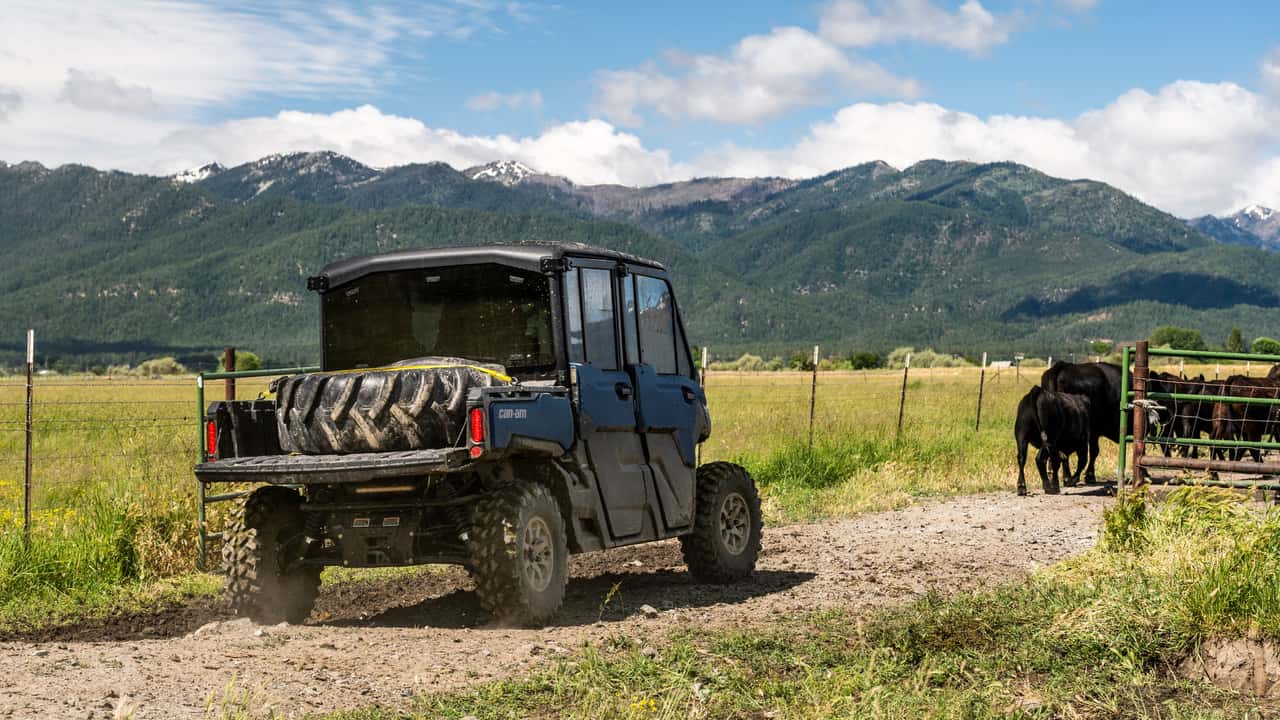
Photo by: Can-Am
Clearly, maintaining consistency and having open lines of communication will be essential as we move ahead.
For the
powersports industry
This may indicate future trends where we see an increase in Utility Task Vehicles (UTVs) equipped with street-legal components right from the manufacturer or as aftermarket additions, catering specifically to consumers interested in versatile use cases. This shift can open doors for dealerships targeting individuals seeking not only recreational enjoyment during weekends but also functional utility during weekdays. Consequently, it serves as a prompt for manufacturers to enhance their efforts in aspects such as enhancing rider safety through better training programs, pushing boundaries in technological advancements within products, and fostering stronger connections within communities so that these opportunities remain accessible over time.
Ultimately, SB 63 represents a victory for the powersports community. It doesn’t grant permission to drive side-by-sides on all roads statewide. However, it does offer a well-considered and adaptable structure indicating that legislators are beginning to view SPVs not merely as recreational off-road equipment, but as practical vehicles with genuine everyday use.
More Fun Off Road
-
This Dirt Bike Handlebar Expert Is Now Venturing Into Tires?
-
Suzuki's RM Army Boot Camp is Back, Go Learn the Fundamentals
Source:
UTV Driver
,
Kentucky General Assembly


Comments
Post a Comment